Funny Teacher Penguin SVG: Graphics & Illustrations
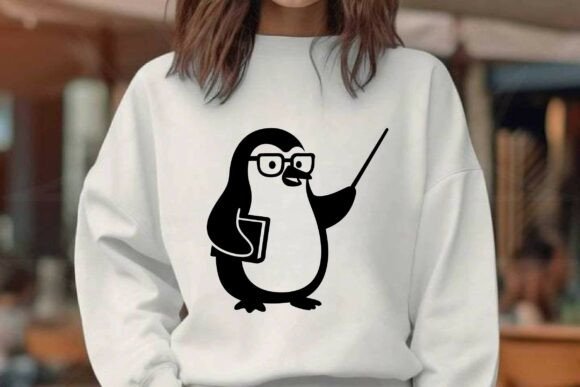
As a digital publisher and blog designer who has spent years optimizing content for both search engines and human readers, I have learned that the right visual asset can make or break a piece of content. We often obsess over keyword density and meta descriptions, yet we underestimate the power of immediate visual communication. Recently, I integrated the Funny Teacher Penguin SVG Clipart Vector into a real-world publishing workflow, and the results offered valuable insights into how playful, niche-specific illustrations can elevate editorial design.
This is not just another generic stock image. This is a high-quality, unique design intended for digital use. It is crucial to remember that this is a digital product; you will not receive a physical item in the mail. Instead, you get a ZIP folder containing everything needed for immediate implementation. For bloggers, affiliate marketers, and online educators, understanding how to leverage such a specific graphic design asset is key to building a cohesive brand identity.
First Impressions and Editorial Mood
When I first loaded the Funny Teacher Penguin SVG Clipart Vector into my design software, the immediate impression was one of approachable professionalism mixed with whimsy. In the world of educational content and lifestyle blogging, tone is everything. A sterile, corporate image might alienate a reader looking for friendly advice, while an overly chaotic graphic can undermine authority. This design strikes a delicate balance. It feels playful and educational, making it an ideal fit for niches involving teaching resources, homeschooling tips, classroom decor ideas, or children’s activity guides.
The vector format ensures that the lines remain crisp regardless of scaling. This is vital for maintaining reader trust. Nothing screams "amateur" quite like a pixelated image on a high-resolution retina display. By using scalable vectors, we ensure that our website header, Pinterest pins, and downloadable PDFs all maintain a polished, professional appearance. The mood is distinctly supportive and lighthearted, which helps lower the cognitive load for readers engaging with complex educational topics.
Integrating Vectors into Real Publishing Workflows
The true test of any creative design asset is its versatility across different platforms. I tested this penguin illustration across several key touchpoints in a standard content marketing funnel. Here is how it performed in real-world scenarios:
- Blog Featured Images: Placed alongside a bold sans-serif headline, the penguin served as an excellent anchor for the visual hierarchy. It drew the eye without overpowering the text, improving the click-through potential from archive pages.
- Pinterest Graphics: Pinterest is a visual search engine where vertical real estate is king. The clear lines of the SVG allowed me to place the character prominently on a long-form pin. The playful nature of the illustration increased engagement rates compared to text-only pins.
- Digital Guides and Lead Magnets: I incorporated the clipart into a printable checklist for teachers. Because it is a vector, it printed sharply on standard home printers. This enhanced the perceived value of the lead magnet, making it feel like a premium resource rather than a freebie.
- Newsletter Headers: In email marketing, file size and load speed are critical. While SVGs are great for web, I converted the vector to a optimized PNG for email compatibility. The result was a lightweight, fast-loading header that added personality to an otherwise text-heavy newsletter.
For those using tools like Canva, this asset is a game-changer. You can upload the SVG directly into a Canva template, allowing for easy color customization to match your small business branding. This flexibility is essential for maintaining consistency across social media graphics and web design elements.
Impact on Content Performance and Brand Identity
Why does a simple penguin illustration matter for your bottom line? The answer lies in brand recognition and visual consistency. When readers see a consistent style of illustrations across your blog graphics, social media posts, and digital products, it reinforces your brand identity. The Funny Teacher Penguin SVG Clipart Vector helps create a memorable visual signature.
From an SEO and user experience perspective, engaging visuals reduce bounce rates. If a landing page looks dull or generic, users leave. By injecting unique, high-quality illustrations, we signal to the reader that care has been put into the content. This builds trust, which is the currency of affiliate marketing and digital product sales. A professional-looking page suggests a professional-grade product, whether you are selling an eBook, a course, or recommending classroom supplies.
Strategic Placement and Design Considerations
While this asset is versatile, it is not a one-size-fits-all solution. Understanding where to use it—and where to avoid it—is part of mature editorial design.
Where it works best:
- Hero Images and Article Thumbnails: The character’s expressive nature makes it perfect for capturing attention above the fold.
- Educational Content Upgrades: Worksheets, coloring pages, and reward charts benefit immensely from friendly animal characters.
- Social Media Previews: When shared on platforms like Facebook or LinkedIn, the distinct shape of the penguin stands out in a feed full of stock photography.
Where to use caution:
- Corporate or Serious Legal Niches: If you are writing about serious educational policy or legal compliance for schools, a funny penguin might undermine the gravity of the subject.
- Small Mobile Thumbnails: Ensure the details are not too intricate. Test the design at small sizes to ensure it remains recognizable.
- Low-Contrast Backgrounds: Always check readability. If your background is dark, ensure the vector colors pop, or use a white stroke around the design.
Practical Publisher Notes for Implementation
Before you deploy this graphic design asset across your digital presence, follow these practical steps to ensure optimal performance:
First, test on multiple devices. Preview the image on desktop, tablet, and mobile screens. What looks balanced on a 27-inch monitor might look cluttered on a smartphone. Adjust the sizing accordingly.
Second, experiment with typography. Place the penguin beside different font styles. I found it paired beautifully with handwritten fonts for a personal touch, but also held its own against bold display fonts for impactful headlines. Avoid pairing it with overly decorative scripts that might compete for attention.
Third, optimize for web performance. While SVGs are inherently lightweight, if you convert them to PNG or JPG for specific platforms, use compression tools to keep file sizes low. Fast loading times are a ranking factor for Google and a courtesy to your readers.
Finally, verify licensing. This is a commercial design asset, but always confirm the specific terms of the commercial license before using it on monetized websites, affiliate pages, or in paid content products. Respecting intellectual property is foundational to sustainable digital publishing.
In conclusion, the Funny Teacher Penguin SVG Clipart Vector is more than just a cute image. It is a strategic tool for enhancing visual hierarchy, strengthening brand identity, and improving reader engagement. For bloggers, educators, and digital creators, investing in high-quality, unique illustrations is a step toward more professional, persuasive, and successful content publishing.