Teacher Power SVG: A Designer’s Real-World Review
As an embroidery designer who spends more time staring at stitch simulations than I care to admit, I have developed a keen eye for what makes a digital file translate well into thread. We often see designs that look stunning on a screen but fall apart under the needle. Today, I am taking a close, practical look at Teacher Power SVG. This is not just about whether the lines are clean; it is about how this graphic performs when you are trying to build a reliable inventory for your craft business or create a memorable personalized gift.
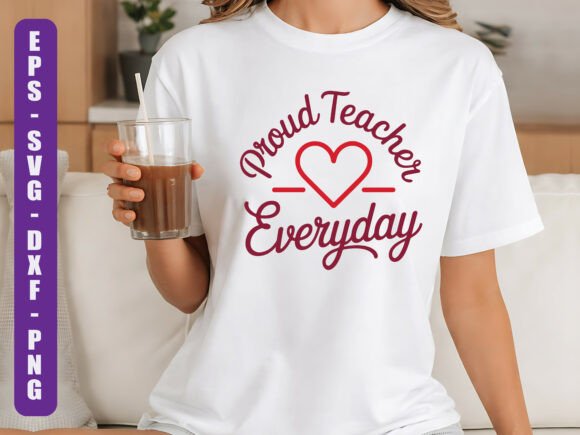
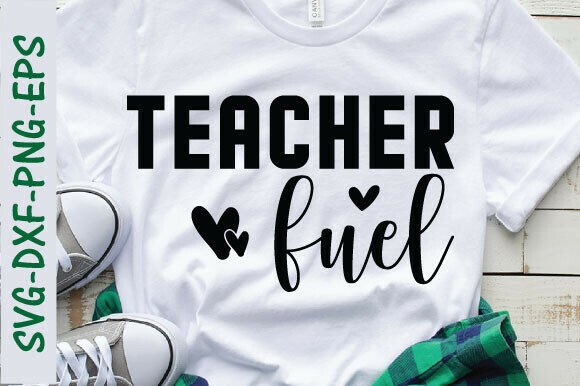
The first impression of Teacher Power SVG is one of bold confidence. The layout suggests a design meant to be seen, likely featuring strong typography or iconic imagery associated with education. For those of us in the T-Shirt Designs and Graphics space, we know that teacher-themed apparel is a perennial best-seller. However, the market is saturated. To stand out, your execution must be flawless. This design appears to offer the kind of visual personality that resonates with educators who want to feel empowered rather than just appreciated. It feels modern, sturdy, and ready for work.
Visualizing the Stitch-Out: From Screen to Fabric
When I evaluate a new embroidery file, my mind immediately jumps to the hoop. Imagine you are preparing a custom embroidered tote bag for a local school’s end-of-year appreciation event. You need something that looks professional but holds up to the weight of books and grading papers. Teacher Power SVG, with its provided formats including SVG, DXF, EPS, and high-resolution PNG, offers versatility. But for embroidery, we are primarily concerned with how those vectors translate into stitch paths.
If this design relies heavily on solid shapes, you are likely looking at a combination of fill stitch and satin stitch elements. In a real-world scenario, such as sweatshirt embroidery, density is your biggest friend and enemy. A design that is too dense will puckers the fabric, ruining the drape of the garment. If Teacher Power SVG has been optimized correctly, it should allow for a smooth finish on medium-weight cotton or poly-blends. I always recommend checking the stitch density in your software before hitting "start." If the design features fine details or tiny lettering, you must ensure they are large enough to be captured by the needle without turning into a tangled mess of thread.
Best Use Cases for Your Small Shop Product Line
Where does this design truly shine? Based on its thematic strength, I see it performing exceptionally well in several key areas for the Etsy seller or boutique owner.
- Custom Apparel: This is the obvious choice. Think crewneck sweatshirts or structured t-shirts. The bold nature of the design suggests it would look fantastic centered on the chest or slightly offset for a modern look.
- Tote Bag Design: Canvas bags are sturdy and handle higher stitch counts well. A teacher carrying supplies needs durability, and an embroidered design adds perceived value compared to a printed one.
- Embroidered Patch: If you have the capability to create cut-out patches, this design could be a standalone product. Patches allow teachers to swap their decor between jackets, bags, and hats, increasing the utility of your handmade product.
- Holiday Embroidery: Consider adapting this for back-to-school seasons or Teacher Appreciation Week. Pairing it with subtle decorative accents like apples or books could create a seasonal collection.
For those selling digital embroidery files, providing a PNG with a transparent background at 300 DPI is a smart move. It allows customers who might not have embroidery machines to use the graphic for printable mockups or sublimation, expanding your customer base beyond just stitchers.
Navigating Technical Challenges and Fabric Choices
While Teacher Power SVG is promising, no design is universal. There are specific scenarios where you need to proceed with caution. If you are working with stretchy fabric, such as a lightweight athletic tee, the stability of the design is crucial. Without proper stabilizer, even the best-designed file can distort. I always advise using a cut-away stabilizer for garments that will be washed frequently, ensuring the embroidery retains its shape over time.
Another critical consideration is curved surfaces. If you plan to put this on a cap or hat, the hoop size and the curvature of the crown matter. Large, flat designs do not wrap well around a curved brim or crown. You may need to resize the design significantly or break it into smaller components if the original file is too wide. Additionally, dark fabrics present a challenge if the design includes small, intricate running stitch details. Thread colors must contrast sharply against the fabric texture to maintain readability. Always test your thread colors on scrap fabric before committing to the final piece.
Enhancing Brand Consistency and Customer Trust
From a business perspective, the quality of your embroidery directly impacts buyer engagement and trust. A clean, crisp stitch-out signals professionalism. When a customer receives a personalized gift that looks handmade but finished to a commercial standard, they are more likely to return. Teacher Power SVG, if executed with attention to detail, can elevate your brand consistency. It shows that you care about the nuances of design assets and how they translate into physical products.
Furthermore, the versatility of the file formats—SVG, DXF, EPS—means you can maintain visual consistency across different product types. You might use the SVG for cutting vinyl for a hybrid project, or the EPS for large-format printing on banners for school events. This multi-use potential increases the value proposition for your clients.
Practical Notes for the Embroidery Designer
Before you load Teacher Power SVG into your machine, take a moment to review the technical specifics. Since the product description mentions a single file in four formats, verify the compatibility with your specific embroidery software. Not all SVGs are created equal; some are designed for cutting machines rather than embroidery digitizing. Ensure that the file you are using is indeed a digitized embroidery file or that you have the skills to digitize the vector graphics properly if it is purely a graphic asset.
- Test on Scrap: Never skip this step. Check for thread breaks and tension issues.
- Check Licensing: Confirm whether the license allows for commercial embroidery projects. Most designers allow you to sell finished physical items, but reselling the digital file itself is usually prohibited.
- Inspect Details: Zoom in on the design. Are there any overlapping stitches that could cause bulk? Are the corners sharp enough to be stitched cleanly?
- Mockup Variations: Create black and white mockups to check contrast. See how it looks on both light and dark backgrounds.
In conclusion, Teacher Power SVG offers a strong foundation for creating high-demand educational themed products. Its success, however, depends entirely on your technical execution. By understanding the interplay between stitch density, fabric choice, and design layout, you can transform this digital asset into a standout finished product. Whether you are decorating aprons for a school fundraiser or creating a new line of baby embroidery items for teacher gifts, approach this design with a critical eye and a steady hand. The result will be a piece that not only looks good but stands the test of time and wear.